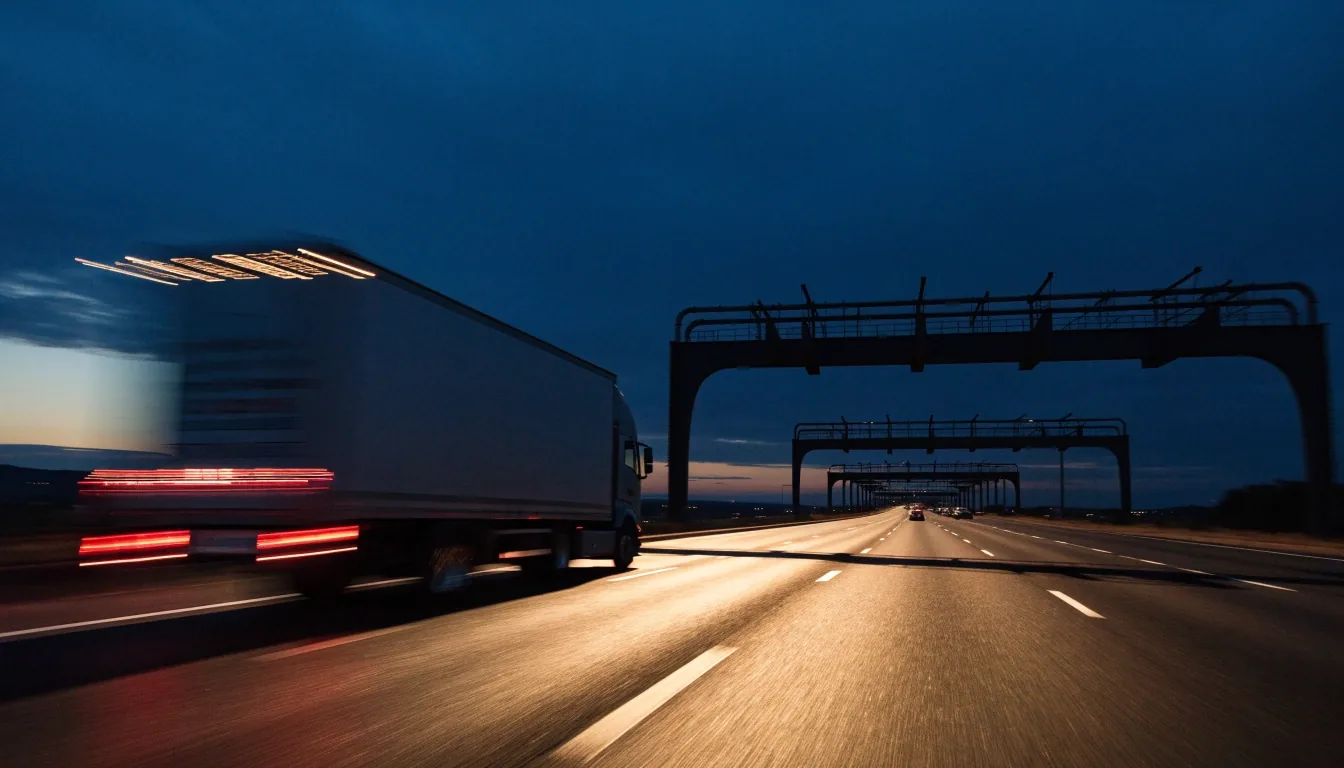
European lanes & coverage
European lanes and corridors we cover
Benelux, France, Germany, the UK and Scandinavia, run on planned departures from Lochristi. Below, the lanes we run often and the ones we quote through partners.
Lanes in regular rotation
- Lochristi — Rotterdam / Antwerp daily
- East Flanders — northern France 2–3× weekly
- Belgium — Ruhr / Rhineland scheduled
- Benelux — Norway / Sweden weekly
Coverage on a map is easy to claim
Running it is the harder part. This page sets out the lanes we plan regularly, the corridors our work depends on, and how we handle destinations that sit outside our normal routes. Read it as a ledger: each row is a lane group, and the notes beside it say what makes that lane behave the way it does.
If your destination appears below, tell us the postcode pair and the load type and we can check it against the next planned departure. If it does not appear, that is still worth a question, because a lane we do not run weekly may still be one we cover well.
What each lane entry tells you
- Departure rhythm
- Whether the lane runs daily, several times a week, or on a fixed weekly departure you can plan a consignment around.
- Best-fit load type
- Where full truck load usually beats groupage on total cost, and where a shared trailer is the sensible choice.
- Documentation pressure
- Which lanes carry customs formalities, and what has to be correct before the trailer reaches a crossing or a terminal gate.
- Who runs the trailer
- Planned on our own capacity or subcontracted through a vetted partner, stated plainly on every quote.
Home ground
Benelux and northern France
Daily & several-times-weekly
Daily and several-times-weekly departures connect East Flanders with the Netherlands, Luxembourg and northern France, including the industrial belt around Lille and the Paris basin. Short distances mean tighter planning: a load collected in Ghent in the morning can be unloaded in Rotterdam or Antwerp the same day. For shippers in the Lochristi area, these are the lanes where we have the most scheduling flexibility.
Because the runs are short, a late change of delivery address or a slipped loading slot is usually recoverable here. On longer lanes the same change can cost a day, which is why we ask for the collection window and the delivery window together at the start, not one after the other.
- Netherlands, Luxembourg, northern France Short-haul, flexible
- Lille industrial belt and the Paris basin Planned departures
- Ghent collection to Rotterdam or Antwerp delivery Same day
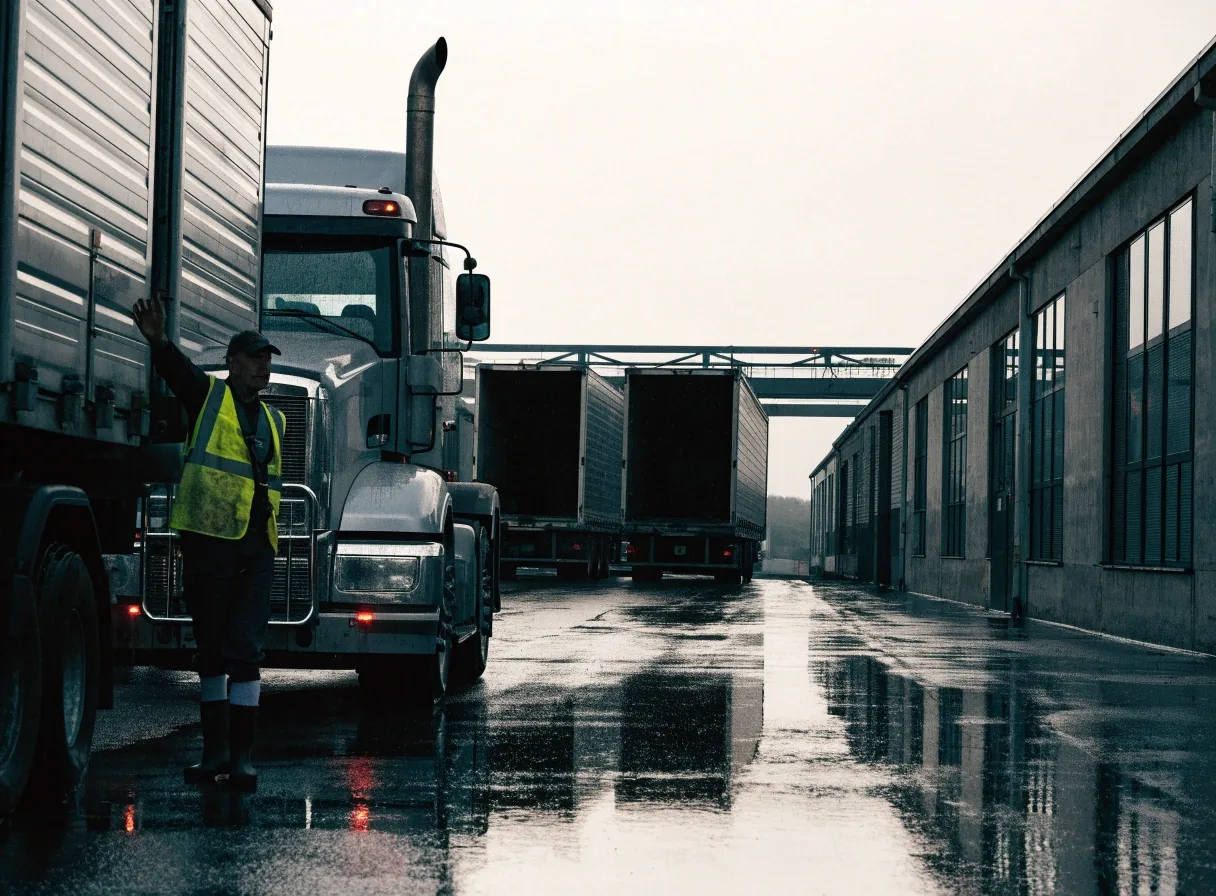
Short-haul loading in the Lochristi area: the trailer is on the dock before most long-distance lanes have even been planned.
600–1,200 km
Germany and Central Europe
Groupage & dedicated loads
Germany is one of the busiest destinations for Belgian exporters, and we run scheduled groupage and dedicated loads into the Ruhr, Rhineland, Bavaria and the Berlin region. Poland, the Czech Republic and Austria follow via partner capacity. Distances of 600 to 1,200 kilometres are where full truck load often beats groupage on total cost, particularly when the delivery window is narrow. We quote both so you can compare directly.
Central European work is where the difference between the two load types shows up most clearly. Groupage keeps the per-pallet cost down but adds a consolidation day at each end. A dedicated trailer leaves later and arrives on the day you name, which matters when a factory line or a retail delivery slot is waiting on it.
Where full loads win
- Narrow delivery windows where a consolidation day would break the plan.
- Consignments that fill most of a trailer but not all of it.
- Loads that need one trailer from one origin to one destination, no transshipment.
United Kingdom and Ireland
UK traffic now means customs formalities on every movement, and that shapes how the lane is planned. We handle groupage and full loads to England, Scotland and Wales, with Irish destinations covered through partner services.
Before the crossing
Correct commodity codes, values and origin details must be in place before the trailer reaches the Channel crossing. Corrections after arrival are slow and expensive, so we check the paperwork before the vehicle is dispatched, not after.
Groupage or full load
Groupage suits regular, smaller consignments to England, Scotland and Wales. A dedicated trailer suits volume or a fixed delivery appointment, and it removes the consolidation day at each end of the journey.
Ireland via partners
Irish destinations are covered through partner services. We plan the movement and hold the documentation, while the partner runs the final leg. You keep one point of contact throughout.
Shippers who prepare documents properly see very little difference in transit time compared to the arrangements before the customs rules changed. The delay almost always sits in the paperwork, not on the road.
Scandinavia
Weekly, not daily
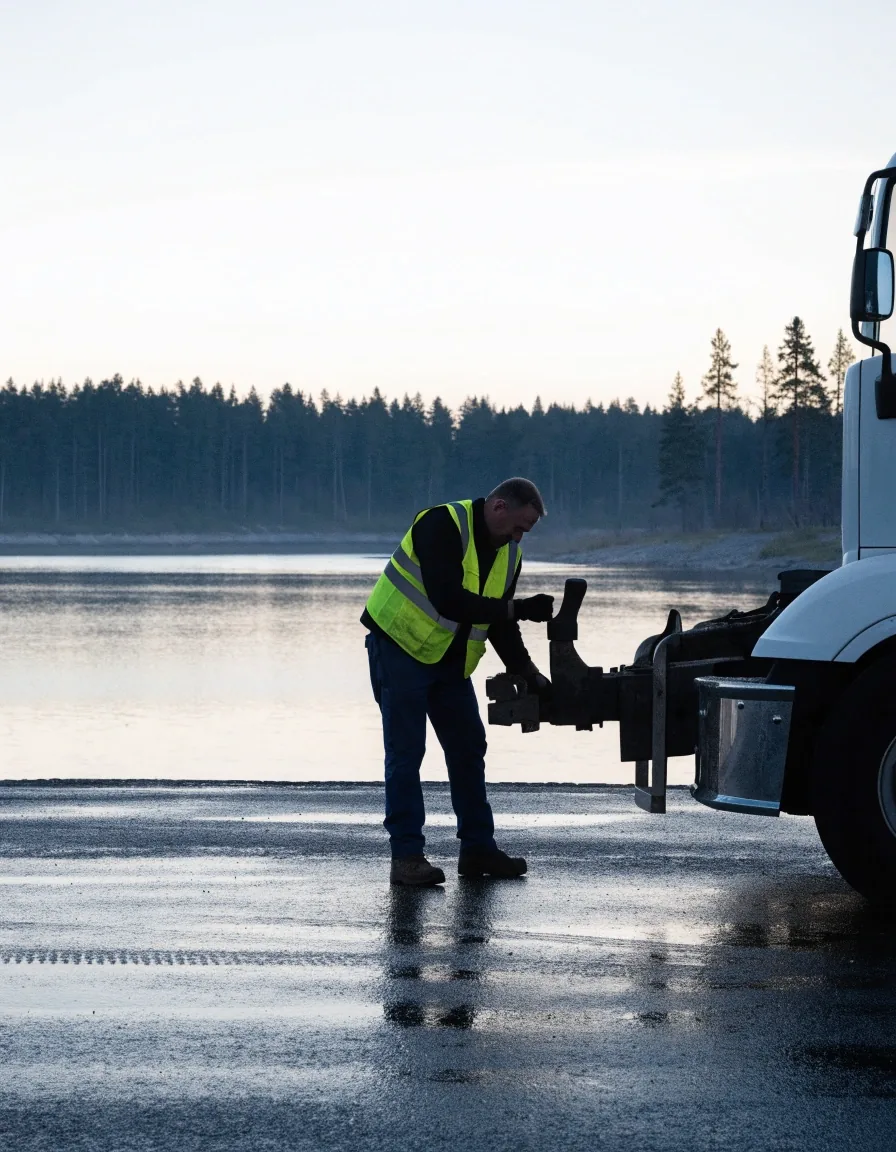
Norway, Sweden, Denmark and Finland are served on scheduled departures rather than daily runs. Distances are long, ferries and bridges add fixed costs, and winter conditions affect transit times in the north. For these lanes, full truck load is the norm, and groupage works best when the consignment can wait for a fixed weekly departure.
Norwegian traffic sits outside the EU customs union, so it needs its own documentation routine, separate from the Swedish, Danish and Finnish lanes. We plan the crossing and the paperwork together, because a trailer held at a border is expensive for everyone involved.
Inside the EU customs union
Sweden, Denmark and Finland run on the standard documentation set, with no separate customs routine.
Outside the customs union
Norway needs its own declarations, prepared before the trailer leaves Lochristi rather than en route.
Southern Europe
Three to five days, depending on destination and whether the load runs direct or collects along the way.
Spain, Portugal, Italy and Greece are covered on scheduled groupage and dedicated loads. Transit times reflect the distance, and the difference between a direct run and a collecting route is usually a full day. Temperature-controlled equipment is available through partners for food and pharmaceutical traffic. Southern lanes benefit from booking a few days ahead, since capacity fills quickly in peak season.
- Spain and Portugal Groupage & dedicated
- Italy and Greece Scheduled departures
- Temperature-controlled trailers for food and pharma Via partners
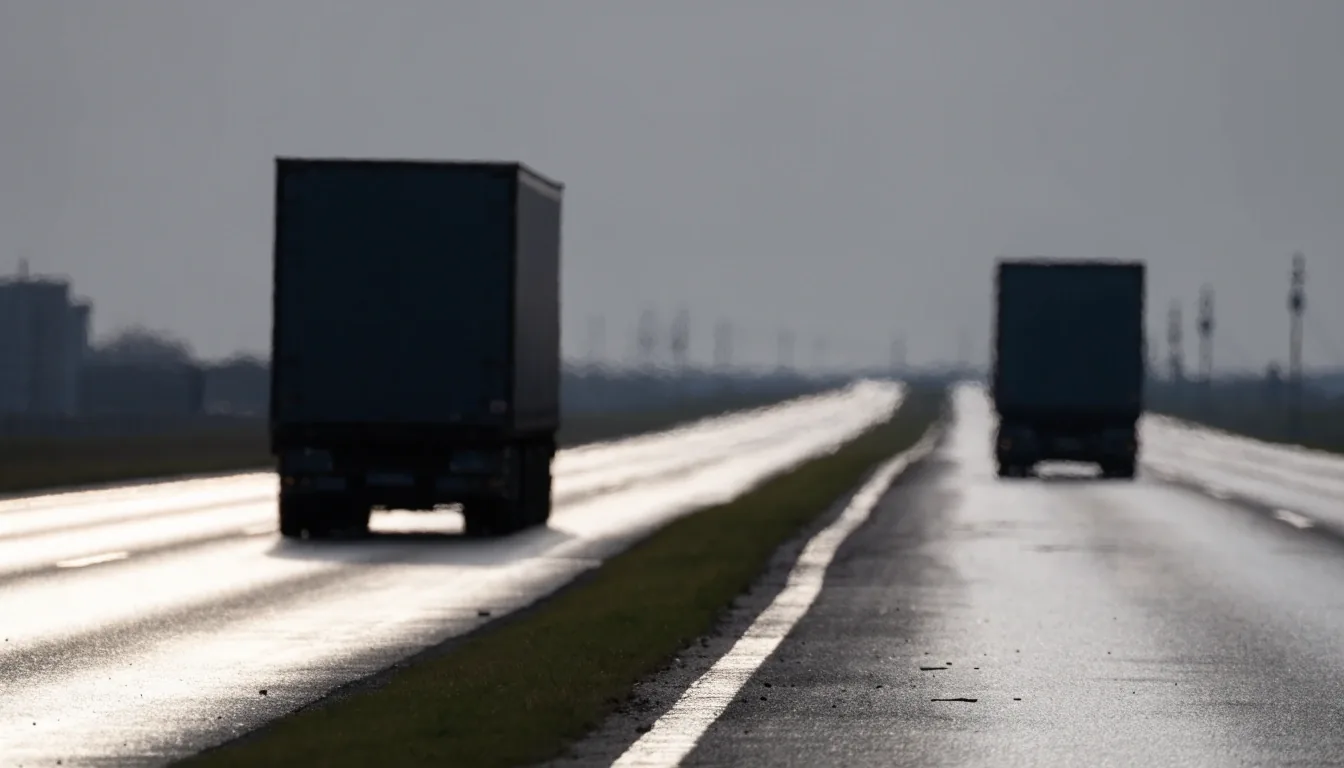
The corridor our planning leans on
The Rotterdam-Antwerp corridor
One of the most heavily used freight corridors in Northwestern Europe runs between Rotterdam and Antwerp, carrying a continuous flow of trucks between two major North Sea hubs. It matters to us because a large share of container and port-linked work passes along it.
Corridor congestion, terminal appointments and roadworks all affect planning on this stretch, which is why we build buffer into collection times rather than assuming a clean run. If you have a fixed delivery slot at the far end, say so at booking, because the buffer is where that slot is protected.
Antwerp-Bruges and inland hubs
Antwerp-Bruges is the anchor of Belgian container traffic, and the inland terminals around Ghent and the Scheldt serve as relief valves when port terminals are backed up. We move boxes between these points, which means working with terminal operating systems, release references and appointment slots. Shippers who give us the container number and release status early get faster pick-ups than those who send it on the day.
The same rule applies at every hub: information that arrives a day early is worth more than information that arrives an hour late.
Lanes outside our regular routes
Not every destination is a lane we run weekly, and pretending otherwise helps nobody. For countries or regions outside our scheduled coverage, we quote through a vetted partner network and are explicit that the movement is subcontracted. The planning, documentation and single point of contact remain with us. You get one invoice and one person to call, whoever’s trailer actually turns up.
That is the honest version of coverage: the lane list above is what we plan ourselves, and the partner network is what catches everything else. Both are quoted the same way, with the same level of detail, so you can compare a direct lane against a subcontracted one without guessing which is which.
What stays with us
- Planning and route selection for the whole movement.
- Documentation and customs preparation, where the lane needs it.
- One invoice and one dispatcher contact from booking to delivery.
Checking a lane before you book
How do I know whether my destination is on a lane you run?
Send the collection postcode and the delivery postcode along with the load type. If the pair sits on one of the lane groups above, we can usually point to the next planned departure. If it does not, we will say so and quote it through a partner instead, with the subcontracted leg marked clearly on the quote.
What do you need to quote a UK or Norwegian lane?
Commodity codes, declared values and origin details have to be right before the trailer reaches a crossing or a border, so those belong in the first conversation rather than the day before dispatch. For Norway, the same applies with a separate documentation routine, because the destination sits outside the EU customs union.
Groupage or a full trailer: which should I ask for?
On Benelux and northern France runs, groupage is usually the practical choice because the distances are short. From around 600 kilometres upward, full truck load often wins on total cost, especially when the delivery window is narrow. We quote both on German, Central European and Southern European lanes so you can compare them directly.
How far ahead should I book a Scandinavian or Southern European lane?
Scandinavian lanes run on fixed weekly departures, so a consignment that can wait for the next one gives you the most options. Southern lanes fill quickly in peak season, and booking a few days ahead keeps the price and the departure choice open. For a dedicated trailer to either region, earlier is always easier.
What information should be ready before I request a quote?
Collection and delivery addresses, the loading and unloading windows, the weight and dimensions of the consignment, and whether it is palletised or loose. If the lane crosses a customs border, add the commodity code and the declared value. With those in hand, a lane quote is a short conversation rather than a week of messages.
Send us the postcode pair and we will check the lane
A lane quote starts with two postcodes, a load type and a window. Tell us those and we will come back with the next planned departure, whether it runs on our own trailers or through a partner, and what the documentation looks like before the vehicle is loaded.
Dispatch desk
- Phone
- 953482109
- [email protected]
- Hours
- Mon–Fri, 09:00–18:00
- Address
- Raveschoot 22, 9080 Lochristi, Belgium
NORDICWAY TRANSPORT SOLUTIONS BV, reg.nr 1095715859, managed by De Wilde Lindsay and De Groote Ellen.